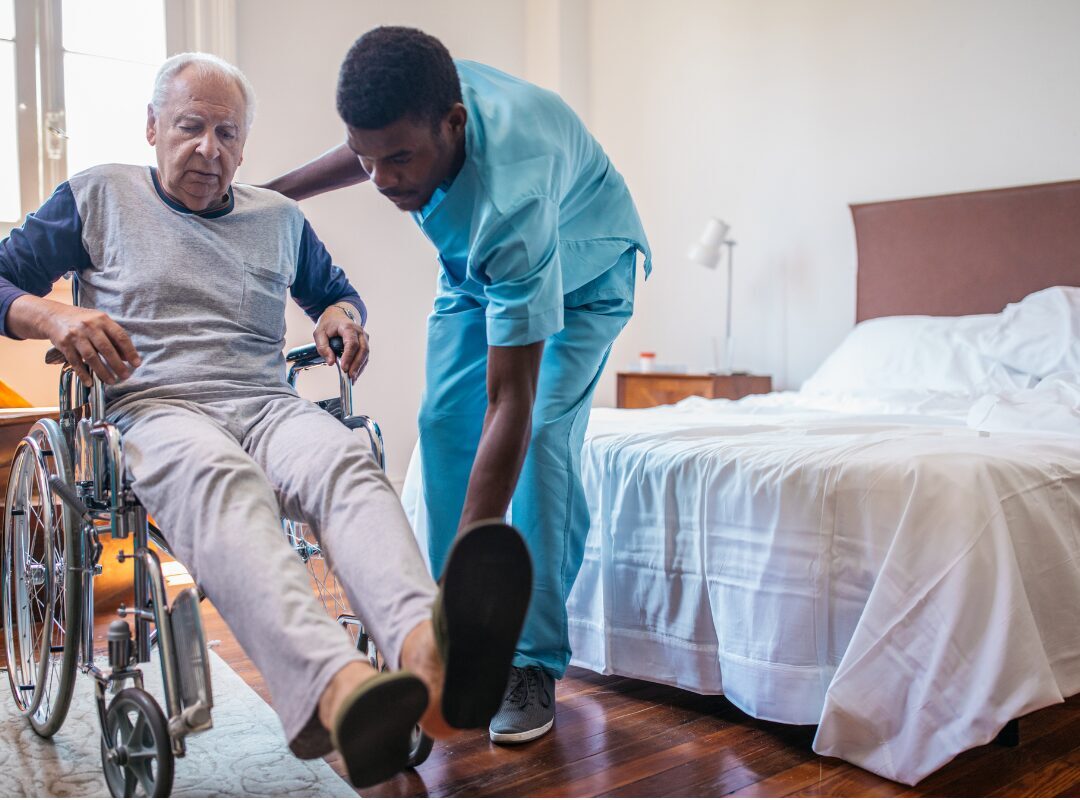
In 2024, the federal government established new minimum staffing standards for nursing homes, changes projected to save 13,000 lives each year. Finalized that spring, the rules represented some of the most significant reforms to nursing home care in decades. Though they were expected to raise operating costs for many facilities, advocates argued the investment was essential to improving resident safety and quality of care.
Inspection reports have long documented serious lapses in care, citing cases in which residents were left lying in their own feces, developed severe bedsores, suffered falls, contracted infections, or were hospitalized for preventable reasons. Regulators have also found that some nursing homes rely excessively on psychotropic drugs to subdue residents, a practice often linked to chronic understaffing.
In June 2025, about 750 nursing home staff members converged on Washington, where they attended roughly 450 meetings with lawmakers to stress the importance of Medicaid funding for long-term care. That advocacy appeared to gain traction the following month, when the President signed a spending bill that included a 10-year moratorium on the staffing rule and shielded nursing homes from a proposed Medicaid cut.
About 40 corporate entities tied to nursing homes nationwide contributed to the MAGA Inc. super PAC between August and mid-September.
In December 2025, the new administration repealed the new staffing standards, reinstating the previous standards. Under those rules, a registered nurse is required to be on-site for at least eight hours a day, and facilities must maintain staffing levels deemed “sufficient to meet residents’ needs” without any mandated minimums.
Real Life Consequences
Tinamarie Scicchitano said she witnessed the consequences of understaffing firsthand when her mother, Madeline Tardiolo. She developed a severe pressure wound in 2022 while spending her final days in an Arizona nursing home.
Experts say these wounds often result from inadequate staffing. When nursing homes are understaffed, caregivers may lack the time and resources to reposition immobile patients as frequently as necessary to prevent such injuries.
James Gooding, GLP Shareholder who leads the firm’s nursing home abuse practice area, emphasized the critical role staffing plays in patient care:
“Staffing shortages in nursing homes significantly impact patient care, often leading to compromised safety, well-being, and overall quality of life for residents. When facilities operate with insufficient staff, caregivers are stretched thin, leaving less time to attend to individual needs such as bathing, feeding, and responsible medication management. I have seen this result in delayed or missed care, including malnutrition, dehydration, falls, and medical errors. Eliminating a mandatory, minimum staffing requirement for adult family homes is negligent and will create more issues for patients. There is no reason for the government to allow homes to operate understaffed, other than saving money at the expense of the elderly and their families.”
Learn more about Jim’s Personal Injury Practice Here.
GLP Attorneys Supports Nursing Home Abuse Victims
If you or a loved one is living in an adult family home and you suspect abuse is occurring, we recommend contacting an attorney right away. GLP Attorneys has vast experience supporting clients with their nursing home abuse cases. Our experienced attorneys have helped nursing home abuse clients reach seven-figure settlements and receive the justice they deserve.
If you are concerned that you or a loved one may be a victim of nursing home abuse or neglect, contact practice leader Jim Gooding at 1 (800) 273 – 5005 for a free consultation.