As summer approaches, people are preparing to spend more time outdoors enjoying seasonal water activities like swimming, boating, kayaking, paddle boarding, and fishing. Each year, preventable water-related accidents lead to tragic injuries and loss of life. Taking time to refresh your water safety knowledge and prepare before heading out on the water can help protect you, your loved ones, and your community.
Drowning Remains a Serious Public Safety Concern
According to the World Health Organization, drowning continues to be one of the leading causes of unintentional injury deaths worldwide:
- More than 40 people lose their lives to drowning every hour
- Approximately 372,000 people drown each year globally
- Children under the age of 5 face the greatest risk
- More than half of all drowning deaths involve individuals under 25 years old
- Drowning accounts for roughly 7% of all injury-related deaths worldwide
Many drowning incidents happen quickly and silently, often in situations where people underestimate water conditions or fail to recognize the dangers of cold water.
The Hidden Danger of Pacific Northwest Waters
Even during warm summer weather lakes, rivers, and coastal waters throughout the Pacific Northwest can remain dangerously cold. Sudden exposure to cold water can lead to:
- Cold water shock
- Muscle exhaustion
- Hypothermia
- Loss of coordination
- Increased risk of drowning
These risks can affect even experienced swimmers and boaters. Wearing proper safety equipment and preparing for cold-water conditions is essential anytime you are near or on the water.
What are the General Water Safety Rules?
The International Water Safety organization recommends the following water safety rules to help keep everyone safe this summer.
Learn to Swim
Enroll children in swim lessons early and continue to practice water safety skills regularly.
Swim With a Buddy
Always swim with another person and stay near a lifeguard whenever possible.
Check Your Surroundings
Before jumping into the water, make sure the area is safe. Check water depth, currents, rocks, and any posted warnings.
Follow Posted Safety Rules
Pay attention to all pool, beach, and waterfront safety signs. Make sure to follow instructions from lifeguards and park staff.
Wear a Life Jacket
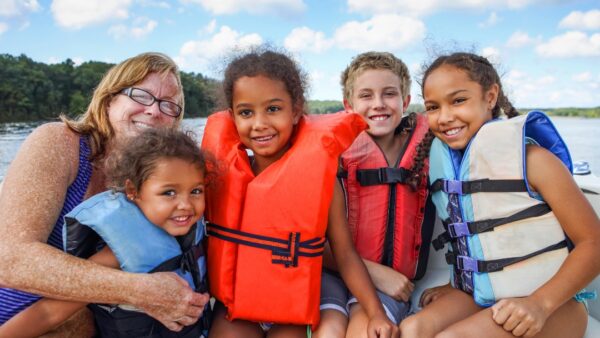
Life jackets save lives. Make sure everyone has a properly fitted life jacket, especially children and anyone participating in boating, kayaking, paddle boarding, or other water activities.
Know What to Do in an Emergency
If someone is struggling in the water:
- Stay calm
- Call for help immediately
- Reach or throw an object to assist them
- Never jump into the water unless you are trained in water rescue
Take the Pool Safety Pledge
Help keep families safe around pools and water activities by taking the Pool Safely Pledge.
Boating Safety Tips for Summer
There are several ways to prevent boating accidents and keep yourself and others safe. Here are some tips for boater safety:
- Wear a life jacket.
- Know the weather and tide movement.
- Be boat sober.
- Dress for the water temperature.
- Know how to treat hypothermia and cold-water shock.
- Pack a communication device.
- Stay with your boat if you do capsize.
- Always let a friend know your plan before heading out on the water.
Working Together to Keep Our Communities Safe
Water safety is a shared responsibility. By staying informed, preparing ahead of time, and watching out for one another, we can help prevent tragedies and ensure everyone enjoys a safer summer season.
At GLP Attorneys, we care deeply about the health and safety of the communities we serve. We encourage families to take water safety seriously and have open conversations about safe boating, swimming, and recreation practices before heading outdoors this summer.
Speak to a Personal Injury Lawyer Today
If you or a loved one has been involved in premises liability or maritime injury accident speaking with an experienced personal injury attorney can help you better understand your rights and legal options.
To speak with a member of our team, call (800) 273- 5005 for a free consultation with one of our personal injury attorneys.