By Amita Brar | Associate | Seattle Office
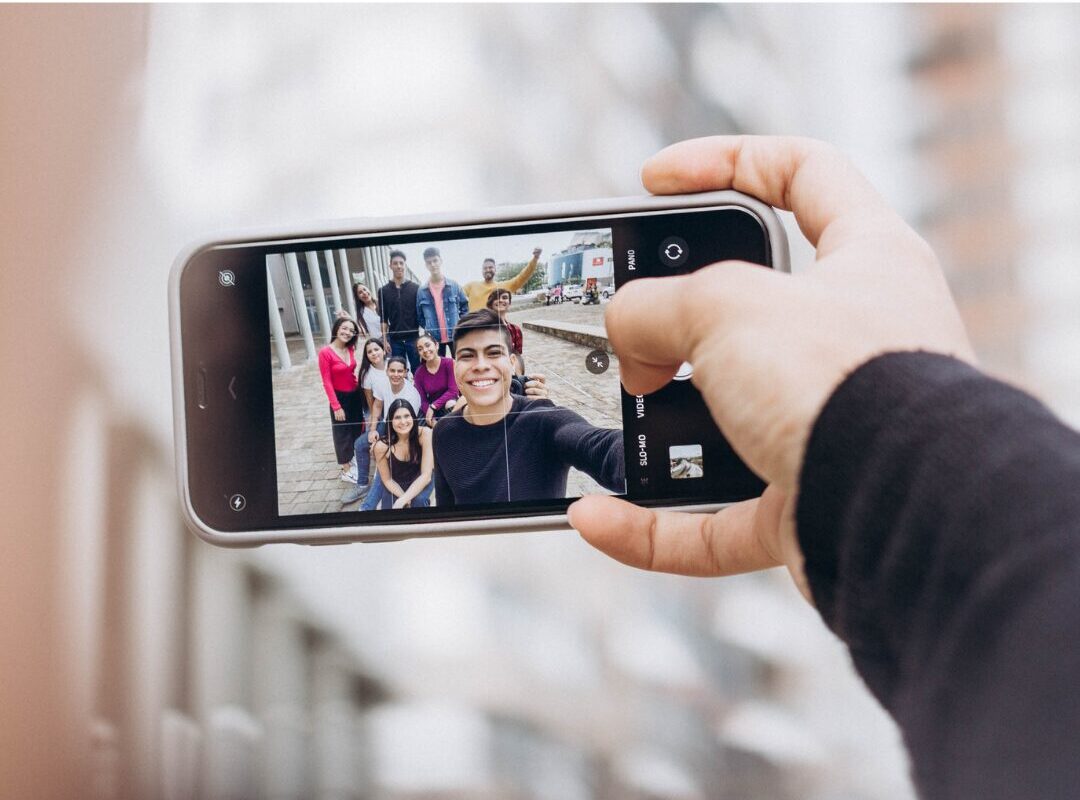
Social media shows a carefully curated version of life. People naturally try to look their best for the camera even when they are in pain or struggling. What appears online is often the best ten seconds of a day, not an accurate reflection of the recovery process. Injuries, setbacks, flare-ups, and limitations rarely make it into posts, creating a misleading picture of how someone is actually doing.
Top Reasons How Social Media Can Hurt Your Claim
- Innocent Photos Can Be Misleading
Photos capture a moment, not the full experience. Smiling in a picture does not mean someone is pain-free, yet defense attorneys may argue exactly that. Images of travel, outings, or celebrations can be used to claim that injuries are exaggerated or nonexistent, even when those activities required significant effort or caused lasting discomfort.
- Emotional Expressions Are Weaponized
Statements about mood or emotions can also be taken out of context. A post saying “feeling good this week” or “finally having a better day” may have nothing to do with accident-related injuries, but defense attorneys may link it directly to recovery. These emotional expressions are often twisted to imply that injuries have healed or are no longer affecting daily life.
- Comparative Language Can Hurt Your Case
Comparative statements such as “I’m doing better,” “today was a good day,” or “things are improving” can be especially damaging. Recovery is rarely linear, but social media posts make it appear that way. Defense attorneys may use these statements to minimize injuries or argue that any remaining symptoms are insignificant.
- Defense Attorneys Use Posts to Create a Narrative
Defense attorneys routinely monitor social media and use seemingly innocent photos or posts to undermine injury claims. A picture at a restaurant, family gathering, or social event can be framed to suggest that a person is pain-free, fully mobile, or able to live a normal life. The context, such as needing help to get there, taking medication, or suffering increased pain afterward is conveniently ignored.
Limit Social Media During Your Case
If you have an active personal injury claim, it is best to limit social media use as much as possible. Posting about activities, emotions, or physical abilities even when unrelated to the accident can create unnecessary risk. The safest approach is to avoid posting altogether or keep activity to an absolute minimum until your case is resolved.
Once something is posted, it can be saved, shared, and used against you. Social media content is easily misinterpreted and manipulated. Protecting your personal injury claim means being mindful of your digital footprint and understanding that anything you post may become evidence.
Speak to an Experienced Personal Injury Attorney Today
GLP Attorneys has supported clients with their personal injury cases for four decades. GLP Attorneys has experience achieving justice for clients who have been involved in car accidents, motorcycle accidents, and trucking accidents.
If you have been injured in an accident, call 800-273-5005 or email our attorneys at to schedule a free lawyer consultation.